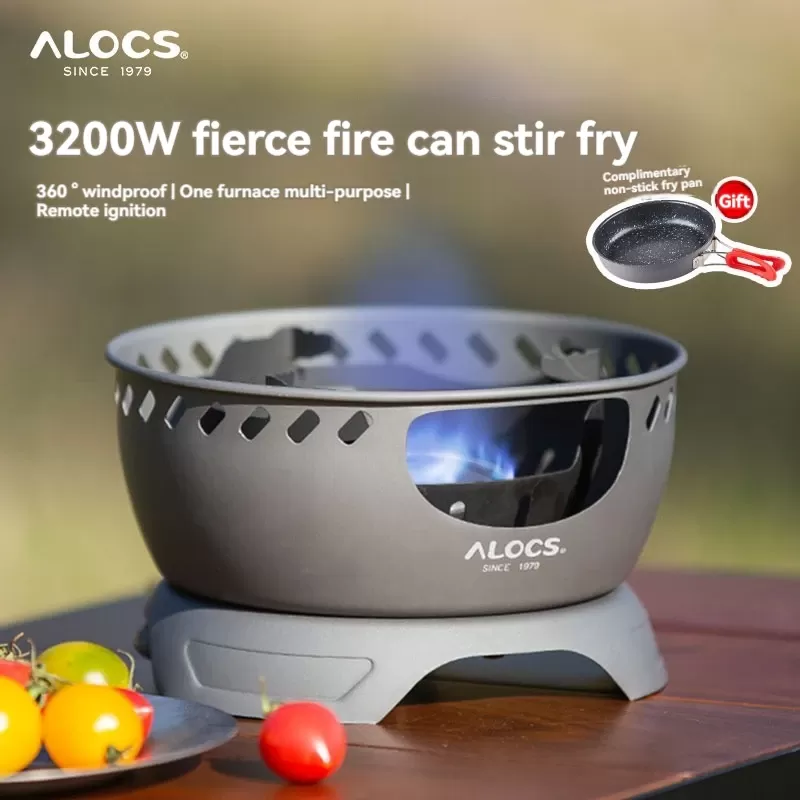
Why stoves struggle in the cold
A gas stove burns vapor, not liquid. Inside the canister, liquid fuel has to boil into vapor to create the pressure that pushes it through the burner. As the temperature falls, that pressure falls too. The stove also makes the problem worse as it runs, because the fuel draws heat from the canister when it vaporizes, so the metal gets colder the longer you cook. That is why a canister can feel frosty and the flame can fade halfway through boiling a pot of water.
The wind and cold air add to this by stealing heat from the pot. Everything takes longer and uses more fuel, so a fuel estimate from a summer trip will be too low. Plan to carry extra fuel in winter, and do a test at home on a cold evening if you are new to your stove.
Fuel types compared
The figures below are the approximate boiling points of each gas at sea level. Below that temperature, the fuel will not produce useful pressure by itself.
| Fuel | Boiling point (approx.) | Cold weather notes |
|---|---|---|
| Butane | Minus 0.5 C (31 F) | Cheap and common, but a poor choice near freezing |
| Isobutane | Minus 12 C (11 F) | The usual main ingredient of good hiking canister mixes |
| Propane | Minus 42 C (minus 44 F) | Works in deep cold, but needs heavy steel cylinders by itself, so it suits car camping or a small share of a mix |
| Liquid fuel (white gas and similar) | Not limited in the same way | Pumped under pressure, so it copes well with cold, but the stove needs priming and more care |
Read the label on the canister. Mixes with isobutane and a little propane perform better in the cold than plain butane, although a mix burns off its most volatile gas first, so a half empty canister behaves worse than a full one. For base camps with a car, a larger propane setup is a very reliable option. Compare stove designs in the camping stoves and portable grills range, and start with the guide to camp cooking, stoves and pots if you are choosing your first one.
Getting the most from a gas canister
You can improve cold performance a lot with simple handling:
- Keep it warm before use. Store the canister in an inside jacket pocket for a while before cooking, and put it inside your sleeping bag overnight (well sealed and with the stove detached) for the morning brew.
- Use two smaller canisters on long trips rather than running one down to nearly empty in very cold weather.
- Insulate it from the ground. A piece of foam pad under the canister stops snow from pulling heat out of it.
- Never heat a canister with a flame or put it next to a heat source. An overheated canister can rupture. If the flame is weak, swap in a warmer canister instead.
Stoves with a remote fuel hose, where the canister sits on the ground away from the burner, are popular for winter because the design makes it easier to protect the canister and keeps the setup low and stable. Some models are designed to run with the canister inverted, but only do that if the manufacturer explicitly says your stove supports it. Using the wrong setup can send a flare of liquid fuel through the burner.
Wind, base and ventilation
Wind is often a bigger thief of heat than the cold itself. Use natural shelter such as a rock or a snow wall, and use a windscreen if the stove design allows one. Be careful with screens around stoves that sit on top of a canister. Wrapping one too tightly can trap heat around the canister and create a dangerous overpressure risk, so follow the manufacturer's guidance.
On snow, a stove will slowly melt its way down and tip over. Set it on a stable base such as a small piece of thin board, or on a piece of foil-backed foam kept well clear of the flame. Keep the area around it free of anything that can burn.
The temptation to cook inside a tent is greatest when it is cold, and that is when it is most dangerous. Burning fuel produces carbon monoxide, which you cannot smell, and a tent can catch fire within seconds. Do not cook in a closed tent. Cook in the open and in a sheltered spot, and if bad weather forces you to think about a vestibule, read your tent and stove instructions first, keep it fully ventilated and understand you are accepting a real risk. The safer option is usually a cold meal and a thermos.
Melting snow for water
If you depend on snow for water, plan for it to use much more fuel than heating liquid water. Always start with a small amount of water in the pot, either from your bottle or from your previous batch. A dry pot of snow can scorch, giving the water a burnt taste and possibly damaging the pot. Add snow gradually, and stir it. Choose clean and white snow from well away from camp traffic and toilet areas.
Melted snow can still carry contaminants, so bring it to a boil or treat it as you would any natural water source. Make the most of each batch by filling an insulated bottle before bed, as explained in the guide to insulated bottles and thermoses. You will have warm water in the morning without having to start the stove straight away.
What to cook
Cold weather raises your appetite for a reason, since your body uses more energy to stay warm. Choose meals that are simple, hot and high in fat and carbohydrates, and that cook in one pot, because every extra minute with your gloves off costs you.
- Breakfast: oatmeal with nuts and butter, or instant noodles with an egg if you are camping close to the car.
- Lunch: soup from a thermos, plus food that will not freeze solid, such as nuts, chocolate or a sandwich kept close to your body.
- Dinner: pasta, couscous, instant mashed potato or a freeze-dried meal, with added oil, cheese or sausage for extra calories.
- Drinks: hot chocolate, sweet tea and broth, which help with both warmth and hydration.
Prepare at home by chopping vegetables and measuring portions, as a knife and fine prep are hard work with cold fingers. Pots and mugs from the camping pots and outdoor cooking and coffee ranges with a lid will save a noticeable amount of fuel, since a lid keeps heat in the pot.
Keeping hands and gear working
A few small things decide how pleasant winter cooking is. Keep a backup ignition source because built-in piezo igniters can fail, and a lighter can struggle when it is cold, so carry a lighter in an inside pocket and matches or a ferro rod as a spare. Wear a thin pair of gloves for handling hot pots and cold metal. Bare skin can stick to very cold metal, and it is easy to burn yourself on a titanium mug rim. Thin liner gloves from the tactical and warm gloves range work well, as explained in the gloves guide, but keep synthetic fabrics away from the flame, since they can melt. Pack the items you need into one bag, so you can set up quickly and in the same order every time. For packing and clothing on the same trip, the winter day hike checklist is a good place to start.


