How to pick a gift they will actually use
People who spend time outdoors tend to have strong opinions about their kit, and they have usually spent a long time choosing the big items. That is good news for gift buyers, since it means you do not need to buy anything big. The most welcome gifts are the second pair, the upgrade they would not buy for themselves, or the small item they keep meaning to get.
Three questions make the choice easier. What do they actually do? A long distance hiker cares about weight, while a family car camper cares about comfort. What do they already own? A quick look at the pile in the garage, or a word with a partner or friend, can stop you from buying a third headlamp. Does it need to fit? If it does, either find the exact size or choose something else. Remember to include a gift receipt in any case. A good gift is one that can be swapped easily if it is wrong.
Small gifts that always get used
These items wear out, get lost or are simply useful to have spares of, so a hiker will rarely complain about having more.
- Merino or synthetic hiking socks. Nearly everyone wants more good socks. Browse outdoor socks, and see the guide to merino versus synthetic socks for the difference.
- Dry bags. A set of different sizes is always handy for clothes, electronics and first aid. See waterproof bags.
- Fire starters. A ferro rod or a good outdoor lighter is cheap and useful, and fits easily in a stocking.
- Paracord. A hank of strong cord gets used for guylines, repairs and hanging things around camp. Note that it is for general camp use, not for climbing or anything that holds a person's weight.
- Whistle, compass or small pouches. These are inexpensive, and the fire, compass and rope accessories range has plenty of options.
For the new hiker
A person who has just discovered hiking usually lacks the basics, so this is where a slightly bigger gift pays off. A rechargeable headlamp is the top pick, because beginners often have only their phone light and do not realize how much they need one until they are walking back in the dark. Look through the rechargeable headlamps range. A small first aid kit is also a thoughtful gift, as is a comfortable day pack if you know what they want. A printed copy of a good local trail map or a guidebook for their region makes a lovely addition. If you want to give them a sense of the full picture, share the camping and hiking gear checklist and let them point out what is missing.
For the camp cook and coffee lover
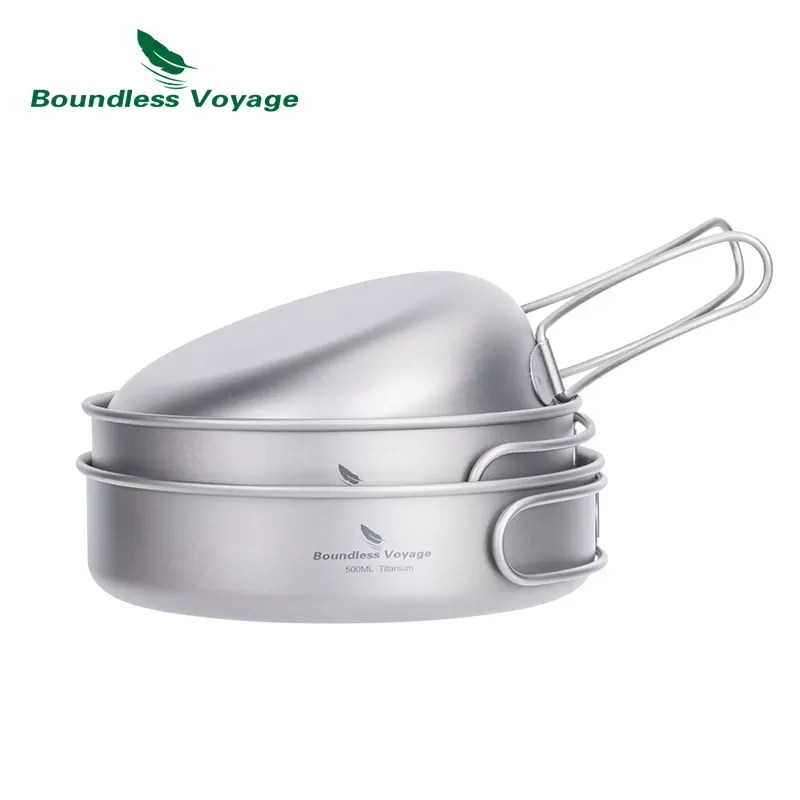
Food and drink are where small upgrades make the biggest difference to a trip, and these items are easy to buy for without needing to know a size. A titanium mug or small cook pot is a classic upgrade for anyone who carries their own gear, because titanium is light and tough. A high quality insulated bottle or thermos is a gift that also gets used every day at work. See thermoses and insulated bottles, along with the guide to insulated bottles. For coffee fans, a portable brewer or a coffee set from the outdoor cooking and coffee range will be used on every trip. A good spice kit is an inexpensive extra that people rarely buy for themselves, and it fits nicely into any camp kitchen.
A stove is a bigger gift, and it is worth asking about fuel type first. Someone who camps from a car will appreciate a two burner stove, while a backpacker wants something tiny. If they head out in the colder months, send them the guide to cold weather camp cooking too. The camping pots and folding tools range also includes small practical items such as utensils and folding cookware.
For the winter walker
Someone who walks through the cold season will happily wear out more warm kit. Gloves are a strong choice, since most winter hikers want both a thin and a warm pair, and sizing is more forgiving than for boots. Look at tactical and warm gloves. A hat and neck warmer are always welcome, and are safe gifts as they come in simple sizes. A thermal base layer makes a thoughtful gift if you know the size, and the winter thermal clothing range has sets that are easy to wrap up. If they are hiking in the cold for the first time, a printed version of the winter day hike checklist is a free and helpful addition.
For the tool and gadget fan
Some people simply love a well made tool. A multi-tool from the multi-tools and wrenches range is a gift that gets carried for years, and the multi-tool guide explains what to look for. A compact tactical flashlight is another favourite, and the guide on choosing a tactical flashlight will help you make sense of the specifications. A large power bank or a solar lantern suits anyone who camps often.
Knives need more care. Laws on owning, carrying and sending blades differ widely between countries and regions, and blade length, locking mechanisms and the recipient's age can all matter. Check the rules where the recipient lives before you buy, and only buy a knife for an adult who wants one and knows how to use it safely. If you are unsure, a multi-tool can be a simpler choice, although some of those rules can apply to multi-tools too.
What to avoid buying
- Boots and hiking shoes. Fit is highly personal and hard to guess. Offer to go with them to choose instead, or give a gift card.
- Large backpacks. Torso length and hip fit matter, and most people have a clear preference.
- Sleeping bags, unless you have checked. Temperature rating and size depend on the trips they do.
- Novelty all in one gadgets. A survival card or a pen with ten functions is often fun for a day and then ends up in a drawer. One good tool beats a lot of poor ones.
- Anything that only looks tough. Check that the gift works for what they do, not just how it photographs.
- Knives or fire tools for children. Leave those to a parent's decision and proper supervision.
Quick match by person
| They mostly | Good choices | Where to look |
|---|---|---|
| Walk at weekends | Merino socks, headlamp, small dry bag | Socks, headlamps |
| Camp with the family | Lantern, thermos, tent lights | Camp lighting |
| Cook and brew outdoors | Titanium mug, coffee set, compact stove | Outdoor cooking |
| Walk through winter | Gloves, base layer, insulated bottle | Gloves |
| Love tools and gear | Multi-tool, flashlight, cord | Multi-tools |
| Are just starting | Headlamp, first aid kit, day pack | Survival gear |
If you still cannot decide, ask them directly. Most outdoor people have a list in their head and will be happy to tell you what is on it, and a gift they asked for still counts.


